Woodford Green carpet cleaning guide for IG8 homes
If you live in IG8, you already know carpets do more than soften a room. They catch winter grit, everyday dust, pet hair, muddy footprints, and the odd coffee spill that somehow appears right after the room has been hoovered. This Woodford Green carpet cleaning guide for IG8 homes is here to make the whole process feel less confusing and a lot more practical.
Whether you are trying to keep a family house fresher, protect a rental deposit, or simply get rid of that dull traffic lane in the hallway, the basics are the same: choose the right method, avoid common mistakes, and act before stains settle in. There is a right way to clean most carpets, and a few wrong ways that can make things worse, fast.
Below, you will find a clear explanation of how carpet cleaning works, when it makes sense to book a professional, what to do before and after a clean, and how to make your carpets stay better for longer. No fluff. Just the useful stuff, explained in plain English.
Table of Contents
- Why carpet cleaning matters in IG8 homes
- How carpet cleaning works
- Key benefits and practical advantages
- Who this is for and when it makes sense
- Step-by-step guidance
- Expert tips for better results
- Common mistakes to avoid
- Tools, resources and recommendations
- Law, compliance, standards and best practice
- Options, methods and comparison table
- Case study or real-world example
- Practical checklist
- Conclusion
- Frequently asked questions
Why Woodford Green carpet cleaning guide for IG8 homes Matters
Carpet cleaning matters in Woodford Green because local homes tend to face a mixed set of conditions. You might have older carpets in a period property, newer stain-resistant fibres in a modern flat, or stair runners that take constant foot traffic. Add wet weather, school shoes, pushchairs, pets, and family life, and carpets pick up more than people realise.
Truth be told, many carpets do not look dirty until you move a sofa or catch the light at an angle in the afternoon. Then you see the path people walk every day. That is the point where a quick vacuum is no longer enough. Deep cleaning becomes less about appearance and more about fibre care, hygiene, and preserving the carpet's life.
For IG8 homes, the practical reasons are straightforward:
- to remove soil that regular vacuuming leaves behind
- to reduce odours from pets, spills, and general household use
- to improve the feel and appearance of rooms you use every day
- to help maintain carpets in rental homes, family homes, and busy shared spaces
- to prevent stains from setting permanently into the fibres
A good cleaning routine also supports the wider home. If you are already looking at upholstery, curtains, or rugs, carpets are usually the best place to start because they carry the heaviest share of dirt. For deeper care across the home, it can help to look at related services such as upholstery cleaning, curtain cleaning, and rug cleaning.
Expert summary: In most IG8 homes, carpet cleaning is not just a cosmetic job. It is part maintenance, part hygiene, and part damage prevention. Done properly, it can make a room feel noticeably fresher without replacing anything.
How Woodford Green carpet cleaning guide for IG8 homes Works
Carpet cleaning works by loosening and removing dirt that sits below the surface. A vacuum handles the loose debris. A deeper clean tackles the particles, oils, stains, and residues that cling to fibres and backing. Most professionals will inspect the carpet first, identify the fibre type, test for colour stability where needed, and choose a method that suits the material and condition.
Here is the simple version. Dirt gets trapped in the pile. Foot traffic grinds it down. Over time, the fibres look tired and may feel rougher underfoot. A thorough clean lifts that embedded soil, which is why carpets often feel softer afterwards. You may even notice the room smells cleaner before you have had time to think about it.
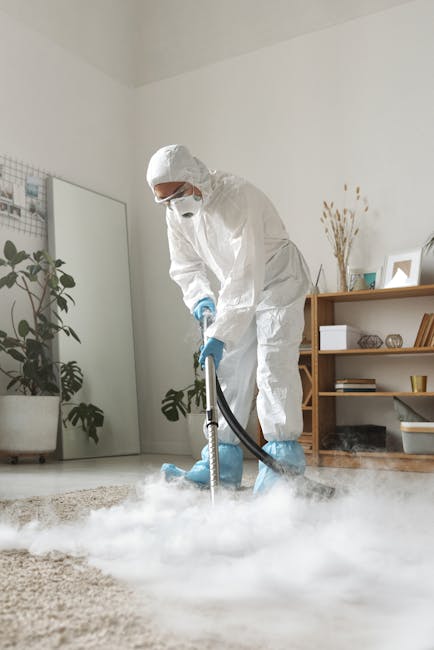
The most common cleaning approach for domestic carpets is hot water extraction, often called steam cleaning even though real steam is not always the main cleaning agent. The machine sprays cleaning solution and water into the carpet, agitates the fibres, then extracts the dirty moisture back out. Used well, it can be very effective on everyday domestic soiling.
Other methods are used too, depending on the situation:
- Low-moisture cleaning for quicker drying or lighter maintenance cleans
- Spot treatment for specific stains, such as tea, wine, or pet accidents
- Dry compound methods in some specialist cases where moisture needs to be limited
Not every carpet should be treated the same way. Wool, wool-rich blends, synthetic fibres, loop pile, and delicate rugs all behave differently. That is why one-size-fits-all advice can be a bit of a trap. A method that works brilliantly on a synthetic lounge carpet may be too aggressive for a delicate hallway runner.
If you want to see how a professional service is usually positioned, the main carpet cleaning page is useful background. For households where odours or pet-related marks are the main issue, pet stain odour removal is often a more relevant starting point.
Key Benefits and Practical Advantages
People usually think about appearance first, fair enough. But the real benefits go wider than a brighter carpet.
1. A fresher-looking room
Carpets collect fine soil that dulls colour and flattens texture. A deep clean can restore contrast and make rooms look better lit, even when nothing else has changed. It is the kind of difference you notice more when you walk back in after a few hours away.
2. Better day-to-day comfort
Cleaner fibres feel softer and less gritty. That matters in homes where children play on the floor or where you simply want the lounge to feel comfortable under bare feet in the evening.
3. Less lingering odour
Cooking smells, pet odours, damp shoes, and general household build-up can settle into carpet fibres. Cleaning can reduce that stale background smell that people sometimes stop noticing until visitors arrive.
4. Longer carpet life
Embedded grit acts a bit like sandpaper. Over time it wears down fibres, especially in hallways and stairs. Regular professional cleaning can slow that down and help carpets last longer before replacement becomes necessary.
5. Better stain management
Fresh stains are much easier to treat than old ones. A proper cleaning plan gives you a better chance of success, especially if you act quickly and do not rub the stain deeper into the pile. That sounds obvious, but people still do it. Every day, probably.
There is also a financial angle. Replacing fitted carpet is expensive and disruptive. In many IG8 homes, keeping existing carpet in good condition is simply the smarter option. If you are comparing costs or planning a bigger clean, take a look at pricing and quotes to understand the process before you book.
Who This Is For and When It Makes Sense
This guide is useful for a wide range of Woodford Green households. Some people need a one-off deep clean. Others need a routine plan that keeps everything under control. The needs are not the same, which is why the timing matters.
Homeowners
If you own your home, carpet cleaning helps you protect the investment you have already made in flooring. It is especially sensible before hosting guests, after a renovation, or when you want the house to feel properly reset.
Renters
If you are moving out of a rental property, carpet condition can affect your deposit expectations. Even if you have kept things tidy, a professional clean can help present the property better. Just check your tenancy terms first, because expectations vary.
Families with children
Kids and carpets are a fairly predictable combination. Spills, crumbs, art materials, muddy socks, a dropped snack that is discovered three days later... it happens. Regular cleaning helps manage all of that without turning the home into a constant battle zone.
Pet owners
Pets bring joy, and also hair, smell, and the occasional accident. If a pet has had more than one mishap in the same spot, targeted treatment becomes more important. In those cases, pet stain odour removal can be the most direct route.
Busy professionals
If your week is packed and the home is your downtime space, a proper clean can remove one of those low-level stressors that never seem urgent but always bother you. You know the feeling: not terrible, just not right.
Landlords and property managers
Clean carpets help with presentation, tenant turnover, and general upkeep. In shared or high-use properties, it is sensible to combine carpet care with other fabric cleaning where relevant, such as sofa cleaning or mattress cleaning.
Step-by-Step Guidance
If you want a practical carpet cleaning routine for an IG8 home, this is the simplest way to think about it.
- Start with a proper vacuum. Focus on edges, under furniture, and the main walking lines. Slow passes do more than quick flicks. That rushed vacuuming we all do before visitors arrive? Better than nothing, but not enough for deep soil.
- Identify problem areas. Look for stains, heavy traffic zones, pet spots, and any colour changes. Make a note of where the carpet looks different in daylight, because that often reveals more than indoor lighting does.
- Check the fibre type. Wool, nylon, polyester, and blends all respond differently to water, heat, and cleaning chemistry. If you are unsure, treat the carpet conservatively until you know more.
- Test any spot treatment. Use a hidden area first if you are cleaning yourself. A colour run or fibre distortion is not the surprise you want on a Saturday morning.
- Pre-treat stains. Apply an appropriate solution to the mark and allow it to work for a short time. Do not scrub hard. Let the cleaner do the lifting.
- Use the right extraction or cleaning method. For most fitted carpets, professional extraction delivers the most consistent results. For delicate or moisture-sensitive situations, another method may be more suitable.
- Dry the carpet properly. Ventilation matters. Open windows if weather allows, use airflow, and avoid replacing heavy furniture too quickly if the pile is still damp.
- Finish with a post-clean check. Walk through the room in natural light if possible. Spots sometimes show up when the carpet is drying. Catching them early is easier.
If you are booking a specialist, the process should feel methodical, not rushed. A good cleaner should inspect, explain, and avoid making promises they cannot reasonably keep. Not every stain comes out completely, and that honesty is a good sign, not a bad one.
Expert Tips for Better Results
These are the small details that make a noticeable difference.
- Treat spillages quickly. The first few minutes matter most. Blot, do not rub.
- Vacuum before the carpet looks bad. Once dirt is visible, some of it is already embedded.
- Use walk-off mats. Front door and patio door mats catch a lot more grit than people expect.
- Rotate furniture occasionally. It reduces the visual impact of traffic lanes and flattening.
- Keep pet bowls off carpet where you can. Water splashes and food spills are a common source of hidden grime.
- Ventilate after cleaning. Drying speed affects finish, smell, and how soon the room can be used normally again.
- Match the method to the fibre. This is the big one. Good technique beats brute force every time.
A small tip that sounds almost too simple: clean on a day when the room can breathe. Open curtains, use airflow, and avoid scheduling the clean just before a dinner party unless you really enjoy moving furniture while half-dry carpet is underfoot. Which, to be fair, nobody does.
Common Mistakes to Avoid
Most carpet damage does not happen from one dramatic event. It happens from a series of small mistakes.
Using too much water
More water does not equal a better clean. In fact, it can lead to longer drying times, wicking stains, and possible backing damage. Over-wetting is one of the easiest ways to make a straightforward job awkward.
Scrubbing stains aggressively
Rubbing can spread the stain, distort the pile, or rough up the fibres. Blotting is slower but safer. Think gentle pressure, not elbow grease.
Ignoring fibre type
A synthetic stair carpet and a wool lounge carpet should not be treated the same way. If you are unsure what the carpet is made from, ask before you start.
Skipping vacuuming before deep cleaning
This is a common one. If loose dirt is left in the pile, the deep clean has to work harder and may not reach the actual soil embedded lower down.
Rebuilding furniture too soon
Heavy items can leave impressions or transfer dyes if the carpet is still damp. Use caution and protect contact points where necessary.
Trying to fix everything with one product
There is no magic bottle that solves every stain. Coffee, grease, pet urine, mud, and ink each behave differently. One product for everything sounds convenient, but it usually is not.
Tools, Resources and Recommendations
You do not need a warehouse of equipment to keep carpets in good shape. In most IG8 homes, a small, sensible toolkit is enough.
- A reliable vacuum cleaner with adjustable height settings if possible
- Microfibre cloths for blotting spills
- White absorbent towels for drying and pressure blotting
- A carpet brush or grooming tool to lift the pile after cleaning
- Spot treatment products designed for carpets, not general harsh cleaners
- Fans or open windows to support drying after a deep clean
If you are deciding whether to do it yourself or bring in a professional, the most useful starting point is usually the main steam carpet cleaning information, because it helps explain what high-moisture extraction is trying to achieve. For fabric furniture that shares the same room, upholstery cleaning can be a smart follow-on.
For households that want to understand service quality and practical expectations before booking, the site's about us page and insurance and safety information are worth a look. It is sensible to know who is entering your home and how they approach safety. Let's face it, that should be standard.
Law, Compliance, Standards, or Best Practice
For domestic carpet cleaning, there is no single universal rule that tells every home the exact method to use. What matters is acting responsibly and following accepted UK best practice. That usually means using suitable products, being careful around electrical equipment, and making sure any work carried out in the home does not create avoidable risk.
If a cleaner is operating in your home, a few common expectations should be in place:
- clear communication about the method being used
- reasonable care around furniture, sockets, and flooring transitions
- appropriate attention to ventilation and drying
- transparent pricing and terms before work begins
- careful handling of stains, spills, and fragile fabrics
From a homeowner's point of view, the practical standard is simple: the clean should improve the carpet without causing avoidable harm. If you are comparing services, you may also want to review terms and conditions, privacy policy, and payment and security information so there are no surprises later.
For businesses or mixed-use properties, commercial cleaning needs may involve more planning, more traffic, and stricter scheduling around tenants or opening hours. In that case, commercial carpet cleaning is the more relevant service category.
Options, Methods, or Comparison Table
Choosing a cleaning method depends on the carpet, the soil level, and how quickly you need the room back in use. Here is a simple comparison that may help.
| Method | Best for | Pros | Watch out for |
|---|---|---|---|
| Hot water extraction | Most fitted domestic carpets | Strong soil removal, good for deep cleaning | Requires drying time and proper technique |
| Low-moisture cleaning | Light refreshes, faster turnaround | Quicker drying, less moisture | May not remove heavy staining as well |
| Spot treatment | Specific stains or marks | Targets the problem area directly | Not always a full-room solution |
| Dry compound cleaning | Moisture-sensitive situations | Low water use | May suit some carpets better than others |
For many IG8 homes, hot water extraction is the best all-round option if the carpet can handle it. But there are exceptions. A hallway runner that dries slowly, for example, may call for a lighter approach. A family room with a pet accident, on the other hand, may benefit from stronger treatment and focused odour work.
If the stain itself is the main concern rather than the full carpet, the stain removal service information is a sensible companion page.
Case Study or Real-World Example
A typical Woodford Green scenario goes like this. A family in an IG8 semi-detached home notices the lounge carpet looking dull near the sofa and darker along the path from the hall to the kitchen. There are also a couple of old marks near the armchair, probably from tea, and one patch that smells faintly musty after a rainy week.
They start with a solid vacuum and spot the main traffic lanes. Then they realise the marks are not all the same age or type, which matters more than people expect. One tea stain responds reasonably well to pre-treatment. The musty area needs more attention around moisture and drying. The traffic lanes are less about a single stain and more about embedded soil, so a full-room clean is the better option.
After cleaning, the room does not suddenly look new. That would be a stretch. But it does look brighter. The pile stands up better, the smell is gone, and the carpet feels less tired underfoot. That is usually how a good result looks in real life: not dramatic, just clearly better. And honestly, that is enough most of the time.
In homes like this, a combined approach often works best. Carpet cleaning deals with the floor, while upholstery and rug cleaning can lift the rest of the room. One area tends to reveal the others. Funny how that works.
Practical Checklist
Use this checklist before and after a carpet clean in your IG8 home.
- Vacuum thoroughly before any wet cleaning
- Identify stains, traffic areas, and pet spots
- Check whether the carpet is wool, synthetic, or a blend
- Test any spot treatment on a hidden area first
- Keep children and pets away during cleaning and drying
- Open windows or use airflow where possible
- Move small furniture items before the clean starts
- Protect fragile items and electronics nearby
- Avoid walking on the carpet while it is still damp
- Inspect the carpet once dry in natural light
- Book follow-up care if stains reappear after drying
If you are preparing for a booking, it also helps to review recycling and sustainability information, especially if you care about product choices and waste handling. Small things, but they add up.
Conclusion
A good carpet cleaning routine in Woodford Green is not complicated, but it does reward care and judgement. Know your carpet, choose the right method, deal with spills early, and do not overdo the water. Most problems come from rushing. Most good results come from patience and the right process.
If you live in IG8, the goal is simple: keep your home looking and feeling clean without creating avoidable wear. That might mean a one-off deep clean, a more regular maintenance plan, or targeted treatment for stains and pet odours. Whatever the situation, a thoughtful approach saves time, reduces stress, and keeps the carpet working harder for longer.
Get a free quote today and see how much you can save.
Sometimes the best home improvement is not a new purchase at all. It is giving the things you already own a proper second chance.
Frequently Asked Questions
How often should carpets be cleaned in IG8 homes?
It depends on household traffic, pets, and lifestyle. Many homes benefit from a deep clean every 12 to 18 months, but busy family homes or pet households may need attention sooner.
Is steam cleaning safe for all carpets?
Not always. Hot water extraction works well for many domestic carpets, but delicate fibres, some rugs, or moisture-sensitive materials may need a different method. Always check first.
Why does my carpet look worse after cleaning and then improve later?
That can happen while the carpet is still drying. Some marks become more visible as moisture moves through the pile. A proper dry-down often evens things out.
Can carpet cleaning remove old stains completely?
Sometimes yes, sometimes no. Age, stain type, fibre type, and previous DIY attempts all affect the result. Old stains are more difficult because they have usually bonded with the fibre.
What should I do before a carpet cleaner arrives?
Vacuum the carpet, move light items if you can, point out problem areas, and make sure pets and children are kept away from the work area.
How long does carpet drying usually take?
Drying time varies with method, room temperature, airflow, and carpet thickness. A lighter clean can dry faster, while a deeper extraction clean may need longer. Ventilation helps a lot.
Is professional carpet cleaning worth it for rental properties?
Yes, often it is. A clean carpet improves presentation and can help with end-of-tenancy expectations. It also makes the property feel cared for, which matters more than people sometimes admit.
What is the difference between carpet cleaning and stain removal?
Carpet cleaning is a full-room or full-area process. Stain removal focuses on one mark or problem patch. They often work best together rather than separately.
Can pet odours be removed from carpet?
Often they can be reduced significantly, especially if the cause is treated properly and the affected area is cleaned thoroughly. Deep-set or repeated pet accidents can be harder and may need specialist attention.
Do I need to clean carpets before moving furniture back?
Yes, ideally wait until the carpet is properly dry. Heavy furniture on damp fibres can leave impressions and, in some cases, transfer colour or cause new marks.
Are eco-friendlier carpet cleaning options available?
Many people now prefer lower-impact products and more efficient methods. If that matters to you, ask about product choice, water use, and waste handling before booking.
What if I only want one room cleaned?
That is absolutely fine. One-room cleans are common, especially for lounges, bedrooms, and hallways. A targeted clean can be a sensible way to manage budget and get the biggest visual improvement first.