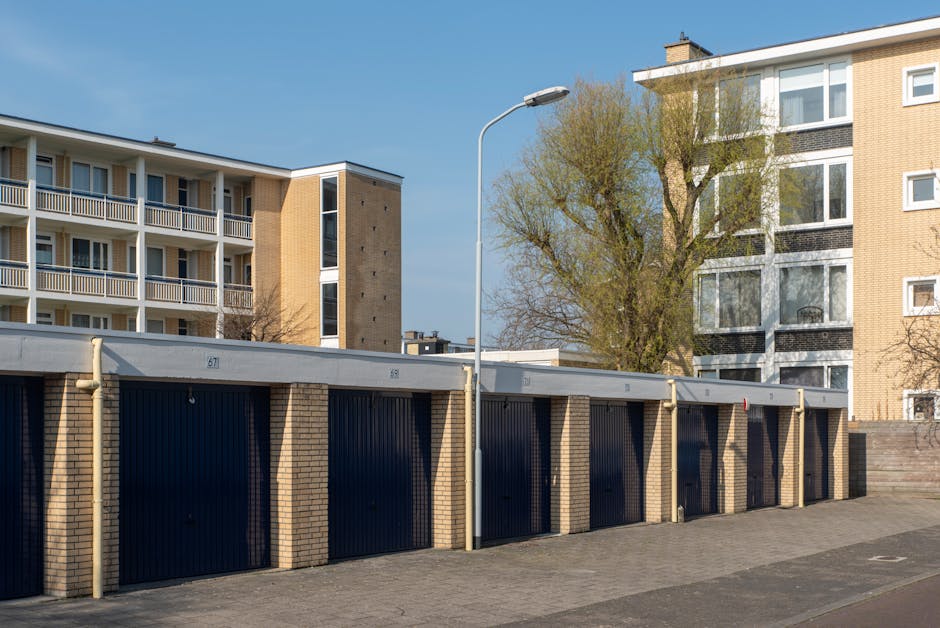
Estate cleaning services for Woodford Broadway residents
If you live on or around Woodford Broadway, you already know that communal spaces can make or break the feel of an estate. A spotless entrance, tidy stairwell, fresh-smelling hallway, and clean shared surfaces do more than look nice. They help people feel safe, welcome, and proud of where they live. That is the real value of estate cleaning services for Woodford Broadway residents: it keeps everyday spaces presentable, hygienic, and easier to manage, without turning the place into a constant project.
In practice, estate cleaning is less about one-off scrubbing and more about a routine, well-planned service. The right approach covers lobbies, corridors, lifts, bin areas, door frames, handrails, floors, glass, and the little trouble spots that build up quietly over time. In this guide, we'll break down how it works, what good service looks like, common mistakes to avoid, and how to choose a method that actually suits your building. No fluff. Just the useful bits.
Contents
- Why it matters
- How it works
- Key benefits and practical advantages
- Who this is for and when it makes sense
- Step-by-step guidance
- Expert tips for better results
- Common mistakes to avoid
- Tools, resources and recommendations
- Law, compliance, standards, or best practice
- Options, methods, and comparison
- Case study or real-world example
- Practical checklist
- Conclusion
- Frequently asked questions
Why Estate cleaning services for Woodford Broadway residents Matters
Shared spaces take a beating. That's the simple truth. People come and go at all hours, doors get pushed open with bags and prams, muddy shoes track in grit after a wet morning, and bin storage areas can become unpleasant surprisingly fast. In a busy part of Woodford, those small issues add up. If they are left alone, an estate can start to feel tired even when the flats themselves are well cared for.
Good estate cleaning helps prevent that slide. It supports day-to-day hygiene, improves first impressions for visitors and contractors, and makes communal living more comfortable for everyone. It also helps with practical matters like reducing slip risks on wet floors, keeping dust under control in corridors, and limiting the kind of odours that make residents complain, quite rightly, about "the place smelling off."
There is another side to it too: consistency. A one-off clean can look lovely for a day. A proper cleaning routine keeps standards steady. That matters on estates where residents notice the details - the smudged glass by the entrance, the sticky handrail, the grey patch near the lift button. You know the sort of thing. Once you notice it, you can't unsee it.
Expert summary: The best estate cleaning is not the loudest or the most dramatic. It is the kind people barely notice because the building simply feels tidy, fresh, and looked after every day.
How Estate cleaning services for Woodford Broadway residents Works
Estate cleaning usually begins with a site assessment. The cleaner or contract manager looks at the building's layout, the traffic levels, the surfaces involved, and the pain points. A low-rise block with a small entrance and one stairwell needs something different from a larger development with lifts, multiple floors, and shared bin enclosures. There is no sensible one-size-fits-all plan. There just isn't.
From there, a schedule is built around the estate's needs. That might mean daily touchpoint cleaning in entrance areas, weekly deep cleaning of stairwells, periodic machine cleaning of hard floors, or extra attention around refuse stores and post areas. Some estates only need light maintenance; others need a fuller rota because footfall is high and residents expect a sharper finish.
Typical tasks often include sweeping, vacuuming, mopping, wiping skirting boards, sanitising hand-contact points, removing litter, cleaning glass panels, polishing lift interiors, and checking for issues like cobwebs or staining. On some sites, fabric items may also need attention. For example, if communal seating or reception furniture is used, services such as upholstery cleaning or sofa cleaning can help keep shared areas presentable.
If carpets are part of the communal flooring, it may also make sense to include carpet cleaning or, where a faster drying method is preferred, steam carpet cleaning. The right choice depends on fibre type, traffic level, and how quickly residents need access again. A good provider will explain that plainly, not hide behind jargon.
Some companies also offer related treatments for stubborn marks and smells. That can be useful if a bin room has a lingering issue, or if a shared carpet has picked up a spill that has gone well past the "we can just blot that" stage. In those cases, targeted stain removal or even pet stain odour removal may be relevant, though only where appropriate and safe for the material.
Key Benefits and Practical Advantages
People often think the main benefit is appearance. Fair enough - a clean entrance does matter. But in real life, the advantages go further than that.
- Better resident experience: People feel more comfortable when they walk into a clean, well-kept building.
- Fewer complaint triggers: Regular attention to shared areas reduces the small frustrations that become big complaints.
- Improved hygiene: High-touch points, floors, and communal surfaces stay cleaner between resident use.
- Safer circulation areas: Removing spillages, loose debris, and built-up dirt can help reduce slip and trip risks.
- Longer surface life: Grit and grime wear down flooring and finishes faster than most people realise.
- Better contractor access: A tidy estate is easier for maintenance teams, delivery drivers, and inspectors to navigate.
There is also a psychological benefit, if that is the right word. When a building feels cared for, residents tend to treat it with more care too. It is subtle, but it happens. Clean communal space signals that the estate is managed, not neglected. That can change behaviour in tiny ways, like people not leaving litter by the bin store or not propping open entrance doors all afternoon.
And yes, it can support property perception as well. If a visitor arrives and the communal corridor smells fresh rather than damp and stale, that impression sticks. No need to overstate it. Humans are pretty quick to judge a place within seconds, especially if there is a sticky patch on the floor or a grimy handprint on the glass. We all do it.
Who This Is For and When It Makes Sense
Estate cleaning services for Woodford Broadway residents are useful for a surprisingly wide range of people. They are not just for large blocks with obvious foot traffic. Smaller developments can benefit too, especially where residents share entrances, stairs, pathways, or refuse areas.
This kind of service usually makes sense for:
- Resident management groups who want a clearer, more consistent standard.
- Property managers balancing hygiene, presentation, and budget.
- Landlords and freeholders responsible for shared areas across multiple homes.
- Block management companies looking to reduce recurring cleaning complaints.
- Housing associations or caretaking teams needing supplementary or specialist support.
It also becomes a smart move after particular events. Think of a post-works clean after refurbishment, a seasonal deep clean when winter grit has built up, or a catch-up clean after a spate of fly-tipping near external bins. Those jobs often need a bit more muscle than routine maintenance.
If you are trying to decide whether to arrange cleaning now or later, ask yourself a simple question: are residents already noticing the building before you do? If the answer is yes, you are probably late rather than early. That's not a criticism. It happens everywhere.
Step-by-Step Guidance
If you are planning estate cleaning for the first time, it helps to keep the process straightforward. Here is a practical way to approach it.
- Walk the site properly. Look at the entrance, stairs, lift area, landings, bin store, external paths, and any communal carpets or furnishings.
- List the recurring issues. Is it muddy footprints, litter, food spills, pet smells, dust, cobwebs, or finger marks on glass?
- Separate daily and periodic tasks. Some jobs need frequent attention; others only need monthly or quarterly care.
- Identify access needs. Check keys, fobs, parking, water access, electrical points, and any timing limits around resident traffic.
- Match the method to the material. Hard floors, carpets, vinyl, stone, and upholstery all respond differently.
- Set expectations in writing. Spell out what is included, how often it happens, and what counts as an additional task.
- Review after the first few visits. A good plan is not frozen in time. Adjust it if residents keep mentioning the same issue.
A small but important detail: agree how missed spots or urgent problems are handled. If a cleaner notices a spill by the lift at 8am, what happens next? If a contractor leaves dirt on the stairwell after maintenance, who comes back to deal with it? Those practical questions save headaches later.
And while we are here, don't underestimate the value of a plain checklist taped into the management file. Slightly old-school? Yes. Still useful? Absolutely.
Expert Tips for Better Results
After enough time around communal cleaning jobs, a few patterns become obvious. The best results usually come from clear routines, sensible products, and realistic expectations - not from trying to make every visit a showroom makeover.
- Focus on touchpoints first. Handrails, door pushes, lift buttons, entry plates, and intercom surrounds get dirty fast.
- Don't ignore the edges. Skirting boards, corners, and behind radiators collect dust and make a space look tired.
- Use the right moisture level. Too much water on floors creates drying problems and can leave a slippery sheen.
- Keep bin areas on a tighter schedule. They are often the source of odours and pest attraction if neglected.
- Ask about drying times. This matters especially when shared carpet or upholstery is being cleaned in busy buildings.
If there are carpets in entrances or corridors, periodic maintenance can stop dirt from becoming embedded. In that kind of setting, a professional carpet cleaning plan is often more effective than occasional emergency cleaning after a spill has already settled in.
Another useful tip: ask for transparency around products and methods. That does not mean you need a chemistry lesson. It just means you should know whether a cleaner is using a low-moisture approach, a hot-water extraction method, or something more specific for the fabric or floor type. If someone can't explain it in normal English, that's a bit of a warning sign, to be fair.
Common Mistakes to Avoid
Most problems with estate cleaning are avoidable. The trouble is, people often notice them only after residents start grumbling or the building starts looking neglected.
- Buying on price alone. The cheapest quote is not always the best value if the scope is vague or the finish is poor.
- Skipping the site visit. Guessing a cleaning schedule from photos rarely works properly.
- Using one method for everything. A corridor carpet and a painted wall do not need the same treatment.
- Ignoring odours. A space can look clean and still smell unpleasant if bin areas or damp spots are not dealt with.
- Forgetting to review service levels. Buildings change. Foot traffic changes. Resident expectations change too.
One subtle mistake is overcleaning. That sounds odd, but it happens. Too much product on glossy floors, too-aggressive scrubbing on delicate finishes, or over-wetting carpets can cause more trouble than the original dirt. Clean is good. Overdone is not.
Another classic issue is poor communication. If residents do not know when cleaning happens, they may move bikes, leave bins out, or walk through freshly cleaned areas before they dry. A little notice goes a long way.
Tools, Resources and Recommendations
You do not need a warehouse full of kit to run a good estate cleaning plan. You do, however, need the right equipment for the surfaces and the right mindset for the building. That means working methodically and not just pushing dirt around.
Common tools and supplies include:
- microfibre cloths for dust and touchpoints
- vacuum cleaners with suitable attachments for stairs and edges
- mops and buckets or flat-mop systems for hard floors
- floor-safe cleaning products matched to the surface type
- spot treatments for isolated marks and spillages
- glass-cleaning tools for entrance panels and mirrors
- machine cleaning equipment where floor type and access allow it
For local managers, it is also worth keeping a simple service record. Nothing fancy. Just dates, tasks completed, issues spotted, and any follow-up needed. That helps with accountability and makes conversations with residents much easier when questions come up.
If the estate contains mixed surfaces, service combinations can be helpful. For example, shared rugs may benefit from rug cleaning, while communal curtains in a reception area may need curtain cleaning. These are not always essential, but when they are relevant, they make a noticeable difference.
For general company information, it can also be useful to review the provider's about us page, alongside details on pricing and quotes, insurance and safety, and health and safety policy. Those pages help you judge whether the business is organised and transparent, which matters more than people sometimes admit.
Law, Compliance, Standards, or Best Practice
Estate cleaning sits in a practical, shared-space environment, so it is sensible to think in terms of best practice and general compliance rather than vague promises. If cleaners are working on site, they should follow appropriate health and safety procedures, use products properly, and take care around slip hazards, electrical points, and resident access routes. That sounds obvious, but obvious things are where problems often start.
Where a building has shared responsibilities, it is wise to keep clear arrangements for access, timing, incident reporting, and complaints handling. If you are managing the estate, ask for written terms, a clear scope of works, and proper insurance cover. It is also sensible to understand how payments, cancellations, and service changes are handled, which is why pages such as terms and conditions and payment and security can be useful reading before you commit.
If a provider says they are environmentally minded, ask what that means in practice. Recycling waste where appropriate, reducing unnecessary product use, and choosing efficient methods are all reasonable signs of care. You can also check their recycling and sustainability information if you want a better picture.
For residents or managers with accessibility needs, it helps when a company can demonstrate that it takes inclusive service seriously. A provider's accessibility statement may offer reassurance about how information and services are handled for different users.
None of this is about being overly formal. It is about avoiding misunderstandings and keeping the estate safe, tidy, and fair for everyone.
Options, Methods, or Comparison Table
Different estates need different approaches. Here is a simple comparison to help you think through the options.
| Method | Best for | Strengths | Watch-outs |
|---|---|---|---|
| Light routine cleaning | Low-to-moderate footfall estates | Keeps entrances, stairs, and touchpoints presentable | May not be enough for carpets or stubborn grime |
| Scheduled deep cleaning | Buildings that build up dirt over time | Deals with embedded soil and overlooked areas | Needs planning and sometimes temporary access restrictions |
| Carpet-focused maintenance | Communal corridors and landings with soft flooring | Improves appearance and helps prolong carpet life | Drying time and fibre suitability matter |
| Targeted stain or odour treatment | Specific problem spots | Good for isolated incidents and awkward smells | Not a substitute for routine cleaning |
In many cases, the best answer is a mix. For example, a building might need weekly common-area maintenance, monthly deeper attention to floors, and occasional specialist treatment for carpets or upholstery. That's normal. Actually, it's more realistic than expecting one visit to solve everything.
Case Study or Real-World Example
Here's a straightforward example from a typical local estate scenario. A small block had a tidy entrance but the stairwell was getting dull, especially near the lower floors. Residents complained that the area felt dusty by the end of the week, and there was one recurring mark by the handrail where people kept brushing against the wall with shopping bags.
Instead of trying a once-a-month deep clean and hoping for the best, the management team split the work into layers. High-touch points were cleaned more frequently. The stairwell floor was given regular attention. A few stubborn marks were treated with targeted stain removal. Communal carpet sections, where present, were scheduled for professional care so the dirt stopped building up in the fibres.
Nothing dramatic happened, which is usually a good sign. The corridor stopped feeling tired, the complaints dropped off, and the building looked more cared for between visits. It wasn't glamorous. But it worked. And sometimes that's exactly what you want: a predictable, steady improvement that residents actually notice in everyday life.
That kind of outcome is what most Woodford Broadway residents are really after, whether they say it that way or not.
Practical Checklist
Use this checklist before booking or reviewing estate cleaning services.
- Have you walked the full site, not just the entrance?
- Do you know which areas need daily, weekly, or periodic cleaning?
- Have you identified problem zones such as bin stores, lift areas, or stair edges?
- Is the cleaning method suitable for the surfaces in the building?
- Have you asked about drying times and access restrictions?
- Is there a clear process for reporting missed areas or urgent issues?
- Do you know what is included in the price and what counts as extra?
- Have you checked insurance, safety, and basic service transparency?
- Are residents likely to be informed about cleaning schedules when needed?
- Is there a review point after the first few visits?
If you can tick most of those boxes, you are already ahead of many estates. Honestly, that's half the battle.
Get a free quote today and see how much you can save.
Conclusion
Estate cleaning services for Woodford Broadway residents are about more than keeping things tidy. They help communal spaces feel calmer, safer, and more welcoming, while also protecting floors, reducing complaints, and supporting the day-to-day running of the building. The best results come from a sensible plan, clear communication, and the right method for each surface.
If you are managing a block, looking after a shared entrance, or simply trying to improve the feel of a residential estate, start with the real-world issues people actually notice: dirt on the floor, marks on the walls, smells in the bin area, and dust gathering where it shouldn't. Solve those well, and the whole place feels different. Better, somehow. More looked after.
And that matters. It really does.
Frequently Asked Questions
What do estate cleaning services usually include?
They usually cover communal areas such as entrances, stairwells, corridors, lifts, landings, bin storage spaces, and shared touchpoints. Depending on the building, they may also include floor care, glass cleaning, and targeted treatment for problem areas.
How often should an estate be cleaned?
It depends on footfall, layout, and resident expectations. Some estates need daily attention in high-use areas, while quieter buildings may only need weekly or periodic cleaning. A proper site review is the best starting point.
Is estate cleaning the same as regular domestic cleaning?
Not quite. Estate cleaning is usually more structured and focused on shared spaces, access routes, and higher-traffic areas. It also tends to involve different materials, safety concerns, and scheduling challenges than a private home clean.
Can communal carpets be included in the service?
Yes. Communal carpets often benefit from maintenance because they collect grit quickly. Depending on the fibre and condition, a provider may recommend routine vacuuming, carpet cleaning, or a more targeted approach such as steam carpet cleaning.
What if there is a bad smell in the bin area or hallway?
Odours usually need a closer look at both cleaning frequency and the source of the smell. In some cases, a targeted treatment may help, but the underlying issue has to be dealt with too. Otherwise the smell just comes back. Sneaky thing, smells.
How do I know if a cleaning company is reliable?
Look for clear communication, a sensible service scope, and transparent information about safety, insurance, and pricing. Pages such as about us, insurance and safety, and pricing and quotes can help you judge that.
Do estate cleaning services help with complaints from residents?
They often do, because many resident complaints are about visible dirt, odours, or inconsistency. A regular, documented routine helps reduce the same issues coming up again and again.
What should be checked before booking a cleaner for an estate?
You should check access arrangements, cleaning frequency, insurance, scope of work, product suitability, and how any missed areas will be handled. A quick written summary can save a lot of confusion later.
Can upholstery or curtains in communal areas be cleaned too?
Yes, if the estate has waiting areas, receptions, or shared seating. In those cases, services like upholstery cleaning and curtain cleaning can be useful additions.
Are there any best practices for estate cleaning schedules?
Yes: separate daily from periodic tasks, keep access and timing clear, review the service after the first few visits, and make sure the cleaning method suits the surface. The schedule should fit the building, not the other way round.
What is the biggest mistake people make with estate cleaning?
Probably choosing a service without a proper site review. Every building is different. If the cleaner hasn't seen the layout, the traffic patterns, and the problem areas, the plan can miss the mark.
Is it worth asking about sustainability?
Yes, especially if your estate values lower-impact maintenance. It is sensible to ask how waste is handled, whether products are used efficiently, and what the provider means by sustainability in practice. You can also review their recycling and sustainability information.
How soon should results be visible?
Some improvements are immediate, like cleaner floors and fresher touchpoints. Others take a few visits, especially when a building has built-up grime or inconsistent past cleaning. The key is steady progress, not a miracle by lunchtime.
For Woodford Broadway residents, the smartest approach is usually the simplest one: keep shared spaces clean, keep the schedule realistic, and keep communication clear. When those three things work together, the building feels better straight away - and stays that way a lot longer.