Cleaning tips for homes on Woodford High Road
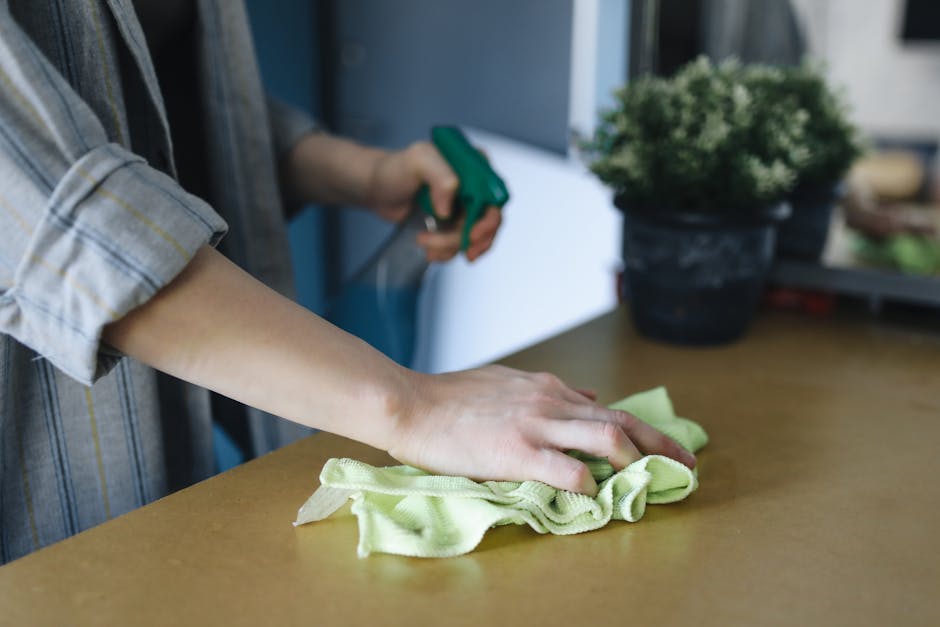
If you live on or near Woodford High Road, you already know how quickly a home can gather the usual London mix of dust, foot traffic, damp shoes, cooking smells, and the odd bit of street grime sneaking in by the door. Cleaning tips for homes on Woodford High Road are not just about making things look tidy for a day or two. They are about keeping your rooms healthier, easier to live in, and far less stressful to maintain week after week.
To be fair, a home can look fine at first glance and still be quietly collecting dirt in places you barely notice: under the sofa, in hallway fibres, around skirting boards, along window tracks, inside upholstery, and on high-touch surfaces. This guide brings together practical habits, room-by-room advice, and sensible deep-cleaning decisions so you can stay on top of things without turning your whole weekend into one long chore.
Here's the useful bit: you do not need to clean everything harder. You need to clean smarter, in the right order, with the right tools, and with a little consistency. That is what makes the difference.
Why Cleaning tips for homes on Woodford High Road Matters
Homes on busy residential roads tend to pick up dirt differently from quieter side streets. The front entrance gets more use, hallway floors get scuffed more often, and open windows can bring in more dust than you expect. Even if your property is set back from the road, daily movement in and out adds up. It sounds simple, but it really does matter.
Woodford High Road also has the kind of everyday life that creates cleaning pressure in layers. A bit of rain at school run time. Muddy trainers. Shopping bags going in and out. Pets padding across carpets. A busy kitchen after a late supper. None of that is dramatic on its own. Together, though, it makes regular cleaning essential rather than optional.
There is also the comfort factor. A well-cleaned home feels calmer. It smells fresher. Floors look brighter. You notice it the moment you step through the door. And if you ever plan to book specialist help for tired flooring or upholstery, starting with good daily habits makes professional results last longer. If carpets are a major concern, it can help to understand the difference between routine vacuuming and a deeper treatment such as carpet cleaning or steam carpet cleaning.
Expert summary: The best cleaning strategy for homes on a busy road is not heavy scrubbing. It is consistent surface care, targeted spot treatment, and regular deep cleaning where dirt naturally builds up.
How Cleaning tips for homes on Woodford High Road Works
Good home cleaning works in layers. First you remove loose dirt. Then you deal with marks and buildup. After that, you refresh surfaces that hold odours, oils, or fibres. It is a sequence, not a guessing game. Once you understand that, the whole process gets much easier.
The most practical approach for a home on Woodford High Road is to split your cleaning into three levels:
- Daily touch-ups: wipe high-contact areas, sweep crumbs, and keep entrances under control.
- Weekly maintenance: vacuum floors, dust properly, clean bathrooms and kitchen zones, and treat stains before they settle.
- Seasonal or periodic deep cleaning: tackle carpets, rugs, sofas, curtains, mattresses, and upholstery where dust and allergens build up over time.
The reason this works is simple: most dirt is not visible right away. It settles into fibres, corners, and fabric surfaces. If you only clean what you can see, you end up fighting the same mess over and over again. A better system stops the build-up before it turns into a bigger job.
For soft furnishings, the method matters. A sofa can look clean but still hold oils, pet hair, crumbs, and everyday odours in the fabric. The same goes for rugs and curtains. That is why services such as sofa cleaning, rug cleaning, curtain cleaning, and upholstery cleaning are often more useful than people first assume.
Key Benefits and Practical Advantages
When you keep on top of household cleaning, the benefits show up in very ordinary but meaningful ways. Your home feels lighter. You spend less time panicking before guests arrive. You are less likely to let one stubborn stain become a permanent annoyance. Honestly, that alone is worth something.
- Better hygiene: regular cleaning removes dust, skin flakes, food residue, and other everyday debris.
- Longer life for fabrics and flooring: the less grit and grime sit in fibres, the less wear you get from foot traffic and friction.
- Fewer odours: kitchens, hallways, pet areas, and soft furnishings stay fresher.
- Less visual clutter: clean surfaces make a room feel more spacious and less stressful.
- Easier maintenance: small, frequent tasks are much easier than one huge catch-up clean.
There is another advantage that people sometimes overlook: regular cleaning helps you spot problems early. A faint damp smell, a new stain, a patch of wear on a rug, or a mark on a mattress is much easier to deal with on day one than after a month of ignoring it. If the issue is more stubborn, specialist stain treatment may be worth considering through stain removal.
Who This Is For and When It Makes Sense
This guide is for anyone living in a flat, terrace, family home, or shared property on Woodford High Road who wants practical results without wasting time. It is especially useful if your home has one or more of the following:
- a busy front entrance with regular foot traffic
- carpets that show dirt quickly
- children who bring in mud, crumbs, and sticky fingers
- pets that shed hair or occasionally have accidents
- fabric sofas, rugs, or curtains that trap dust
- limited time for deep cleaning during the week
It also makes sense if you are preparing to move, expecting visitors, trying to reduce household odours, or simply tired of doing the same jobs without seeing lasting results. Let's face it, that is frustrating.
For pet owners in particular, a routine that includes spot treatment and odour control can save a lot of grief. If accidents are part of real life in your home, it is worth looking at pet stain odour removal rather than just masking the smell.
Step-by-Step Guidance
Here is a sensible cleaning order that works well in most homes on Woodford High Road. It avoids the common trap of cleaning one area beautifully and then dragging dust and debris back into it from somewhere else.
- Start high and move down. Dust shelves, picture frames, light fittings, and tops of cupboards before dealing with floors.
- Work from clean to dirty. Tidy bedrooms and living rooms before tackling kitchens and bathrooms, where grime is usually more stubborn.
- Clear surfaces first. Move items off tables, counters, and consoles so you can actually clean the whole surface, not just the visible edges.
- Vacuum slowly and methodically. Give carpets and rugs a proper pass, especially in hallways and by the sofa.
- Spot-treat stains immediately. Blot, don't rub. Use the gentlest method that might work, and test any product in a hidden spot first.
- Clean soft furnishings regularly. Vacuum sofas, cushions, and chairs, then address marks before they settle deep into the fabric.
- Finish with floors and touch points. Door handles, switches, banisters, taps, and skirting boards all deserve attention.
A quick example: if someone drops tea in the living room at 8 p.m., you do not need to "deep clean the entire room" that evening. You need to blot, protect the fabric, and make sure the stain does not sink in. That is the whole battle, really.
And yes, some jobs need a more serious approach. If your carpet has become flattened, dull, or stubbornly dirty in the main walkways, routine vacuuming may not be enough. In those cases, a deeper refresh such as steam carpet cleaning can be a practical next step.
Expert Tips for Better Results
The best cleaning tips are usually the least glamorous ones. They are the boring little habits that quietly keep a home under control. Not exciting, but effective.
- Use doormats inside and out. This one sounds obvious, but it cuts the amount of grit entering the home.
- Vacuum high-traffic zones twice. Hallways and lounge walkways often need more attention than the rest of the room.
- Keep a stain kit handy. Microfibre cloths, white paper towels, and a suitable fabric-safe cleaner save time when accidents happen.
- Dry fabrics properly. Excess moisture left in carpets or upholstery can cause odours and slower recovery.
- Rotate cushions and rugs. It helps wear stay more even, which is one of those small things that pays off later.
- Clean curtains and upholstery before they look dirty. By the time you can see a fabric problem clearly, it is often already deeper than you'd like.
One practical tip that gets overlooked: open windows for ventilation while cleaning when weather allows, especially after using water-based products. Fresh air helps surfaces dry and reduces that stale-cleaner smell no one likes. Early morning can be a good time for this on a relatively quiet day.
If your fabrics are the main issue, specialist services can support the routine. For example, thicker fabrics and delicate textures often benefit from proper curtain cleaning or upholstery cleaning instead of repeated home scrubbing.
Common Mistakes to Avoid
Plenty of cleaning frustration comes from doing the right job in the wrong way. That is annoyingly common, and usually fixable.
- Using too much product. More cleaner does not mean better cleaning. It can leave residue and attract dirt.
- Scrubbing stains aggressively. This often spreads the mark and pushes it deeper into fibres.
- Ignoring the entrance area. Hallways and front doors are where a lot of dirt gets introduced.
- Waiting too long to treat spills. Fresh marks are much easier to manage than dried-in ones.
- Cleaning only what is visible. Under furniture, along edges, and on the back of cushions still matter.
- Using the same method on every material. Wool, synthetics, cotton, and mixed fabrics all behave differently.
Truth be told, the biggest mistake is usually expecting one fast clean to solve a build-up problem that took months to develop. That is not how most homes work. Some issues need a layered approach, and sometimes a professional-style service is simply the better option. If a particular mark keeps coming back or seems oily, a targeted stain and odour treatment may be more effective than another general wipe-down.
Tools, Resources and Recommendations
You do not need a trolley full of gadgets. A few dependable tools will do more for you than a cupboard full of half-used bottles.
| Task | Useful tool | Why it helps |
|---|---|---|
| Dusting and wiping | Microfibre cloths | Lift dust well and reduce smear marks |
| Floors and carpets | Vacuum with attachments | Reaches edges, stairs, and furniture gaps |
| Spills and stains | White cloths or paper towels | Helps blot without transferring dye |
| Kitchen surfaces | Non-abrasive cleaner | Removes grease without scratching |
| Upholstery care | Soft brush and fabric-safe cleaner | Gentler on sofas, chairs, and cushions |
| Deep refresh | Professional cleaning service | Useful for embedded dirt and tired fabrics |
For homeowners who want to protect carpets and soft furnishings for the long term, it is sensible to think beyond the immediate clean. Ask yourself: is the problem just surface dust, or is it a build-up inside the material? That question usually points you toward the right next move.
When carpets are central to the home, a dedicated service such as carpet cleaning can complement your weekly routine very well. For rooms with smaller or more decorative floor coverings, rug cleaning may be the better fit.
Law, Compliance, Standards, or Best Practice
For most household cleaning, the key concern is not legal compliance in the formal sense. It is safe, sensible best practice. That said, there are a few points worth keeping in mind if you are cleaning your own home or choosing a service provider.
First, use products according to the manufacturer's instructions. That sounds basic, but it matters. Over-wetting carpets, mixing incompatible chemicals, or using the wrong product on delicate fabric can cause damage and lingering smells. Second, pay attention to ventilation, especially in enclosed rooms. Third, if you are hiring help, it is reasonable to check that the business has clear policies around safety, insurance, payment security, and complaints handling. Those are boring details until something goes wrong, and then suddenly they are not boring at all.
It is also good practice to ask how a company approaches safety, access, and aftercare. A trustworthy provider should be comfortable discussing work methods, material care, and reasonable expectations. If you want to understand a company's standards more clearly, pages like health and safety policy, insurance and safety, payment and security, and terms and conditions are the kind of trust signals people often look for before booking.
Options, Methods, or Comparison Table
Different cleaning methods suit different problems. The trick is not to use your strongest option first, but your most appropriate one.
| Method | Best for | Pros | Limitations |
|---|---|---|---|
| Routine DIY cleaning | Dust, crumbs, everyday maintenance | Cheap, flexible, easy to repeat | Won't remove deep-set dirt |
| Targeted stain treatment | Spills, marks, localised accidents | Fast response, prevents spread | Not ideal for old or large stains |
| Steam cleaning | Embedded carpet dirt and freshness | Deep refresh, good for busy areas | Needs drying time and care on fabrics |
| Professional upholstery care | Sofas, chairs, fabric headboards | Better for delicate materials and oils | Usually more expensive than DIY |
| Specialist odour removal | Pets, food smells, lingering damp odours | Targets the source, not just the smell | May need repeat treatment depending on issue |
If you are unsure which route to take, a simple question helps: is the problem on the surface, in the fibres, or in the odour source? Surface jobs are usually DIY-friendly. Fibres and odours often need a bit more muscle.
Case Study or Real-World Example
Imagine a typical family home near the road, with two children, a dog, and a front room that gets used for everything from homework to TV to visitors. At first, the home seems tidy enough. Then you notice the hallway carpet looks darker where everyone walks in. The sofa arms have a faint greasy feel. The curtains have collected dust. Nothing dramatic. Just a steady build-up.
The family starts by making three changes: shoes off at the door, hallway vacuuming twice a week, and immediate blotting for spills. They also rotate cushions and clean the sofa fabric more carefully, rather than just brushing it now and then. After that, they book deeper help for the carpet and upholstery because, frankly, the main wear areas needed more than a handheld vacuum could do.
The result is not perfection. Real homes are not show homes. But the place feels better, smells fresher, and takes less effort to keep presentable. That is the win. No drama, just a home that feels easier to live in. And that is often what people really want.
Practical Checklist
Use this checklist to keep your home on Woodford High Road in good shape without overcomplicating things:
- Keep a doormat at the entrance and shake it out regularly.
- Vacuum hallways, living rooms, and stairs on a reliable schedule.
- Wipe kitchen counters, table surfaces, and bathroom touch points weekly.
- Blot spills as soon as they happen.
- Test cleaners on hidden areas first.
- Rotate cushions and change the direction of rugs occasionally.
- Clean behind and under furniture when you can.
- Freshen curtains, sofas, and other fabrics before dirt becomes obvious.
- Address pet smells and stains early.
- Book deeper cleaning when everyday maintenance stops giving good results.
If you want one simple rule to follow, make it this: do a little often, and treat problems early. That alone keeps most homes in much better shape than occasional heroic cleaning ever will.
Conclusion
Cleaning tips for homes on Woodford High Road work best when they match real life. Busy entrances, soft furnishings, carpets, pets, family routines, and London weather all shape how dirt builds up. Once you build a routine around those realities, the whole job becomes more manageable. Not easy, exactly. But manageable, yes.
The strongest approach is a practical blend of daily habits, weekly upkeep, and occasional deep cleaning where needed. Focus on the areas that trap dirt fastest, use the gentlest effective method, and do not wait until a small issue becomes a big one. That is the kind of maintenance that protects your home without taking over your life.
Get a free quote today and see how much you can save.
And if nothing else, remember this: a cleaner home is not about perfection. It is about feeling comfortable when you walk in the door at the end of a long day. That matters more than people admit.
Frequently Asked Questions
How often should homes on Woodford High Road be cleaned?
Most homes benefit from small daily tidy-ups, weekly thorough cleaning, and deeper attention to carpets, upholstery, or curtains every so often depending on use. Busy households usually need a bit more frequency in hallways and living rooms.
What is the best way to stop road dirt coming into the house?
Doormats, a shoes-off habit, and regular vacuuming of the entrance area make the biggest difference. It is a simple fix, but it works well when everyone sticks to it.
Should I vacuum carpets before or after dusting?
Dust first, then vacuum. That way, any loose debris falling from shelves or surfaces gets picked up from the floor rather than pushed around twice.
How do I clean a stain without making it worse?
Blot gently with a clean cloth, avoid rubbing, and test any cleaning product in a hidden spot first. If the stain is set in or oily, a specialist stain treatment may be safer.
Are steam cleaning and carpet shampooing the same thing?
Not exactly. Steam cleaning generally uses hot water extraction-style methods, while shampooing usually involves a foaming or detergent-based approach. The best choice depends on the carpet and the type of dirt.
What should I do about pet smells in fabric or carpet?
Deal with the source quickly, clean the area thoroughly, and avoid just masking the smell. Pet-related issues often need targeted treatment if the odour has soaked into fibres.
Can I clean upholstery at home safely?
Yes, many light marks and routine dust can be handled at home with care. But delicate fabrics, large stains, and deep odours are often better left to a proper upholstery approach.
How do I keep my sofa looking cleaner for longer?
Vacuum the cushions and seams regularly, rotate cushions, limit food and drink where possible, and treat spills immediately. That combination keeps everyday build-up down surprisingly well.
When is it worth booking a professional clean?
It makes sense when regular cleaning no longer restores the look or smell of the item, or when the fabric or floor covering needs a deeper refresh than household tools can provide.
Do curtains really need cleaning?
Yes, especially if windows are often open, there is heavy road dust, or the room is used a lot. Curtains catch fine dust and odours quietly, so they can age the feel of a room before you notice it.
Is it safe to use strong chemicals on every surface?
No, and that is where people get into trouble. Different materials react differently, so a gentler, tested method is usually the wiser first step. Stronger is not always better, despite what the bottle suggests.
What is the most overlooked cleaning job in busy homes?
Hallways and soft furnishings are often overlooked. People clean what they see at eye level, while the places that actually trap dirt keep gathering more of it. Typical, really.